through each step of the way.

Selecting the Right Eggs
- Fertile Eggs
Provenance: Ensure the eggs come from hens that have been mated with a rooster. Store-bought eggs are typically not fertile and won’t hatch.
Trusted Source: It’s crucial to obtain eggs from a trusted farm or source that guarantees fertility. This can significantly increase your chances of successful hatching.
- Fresh Eggs
Age: The freshness of the eggs is vital. Aim to use eggs that are no older than 7-10 days. The fresher the eggs, the higher the likelihood of hatching.
- Clean but Not Washed Eggs
Condition of the Shell: Eggs should be clean but not excessively washed, as washing can remove the natural protective film that shields the egg from bacteria.
Visual Examination: Ensure the eggs are not cracked, deformed, or excessively dirty. Light dirt can be cleaned with a dry cloth if necessary.
- Uniform Size and Shape
Consistency: Choose eggs that are as uniform in size and shape as possible. Avoid very large or very small eggs, as they may have issues during incubation.
Incubation Conditions and Procedures
- Temperature
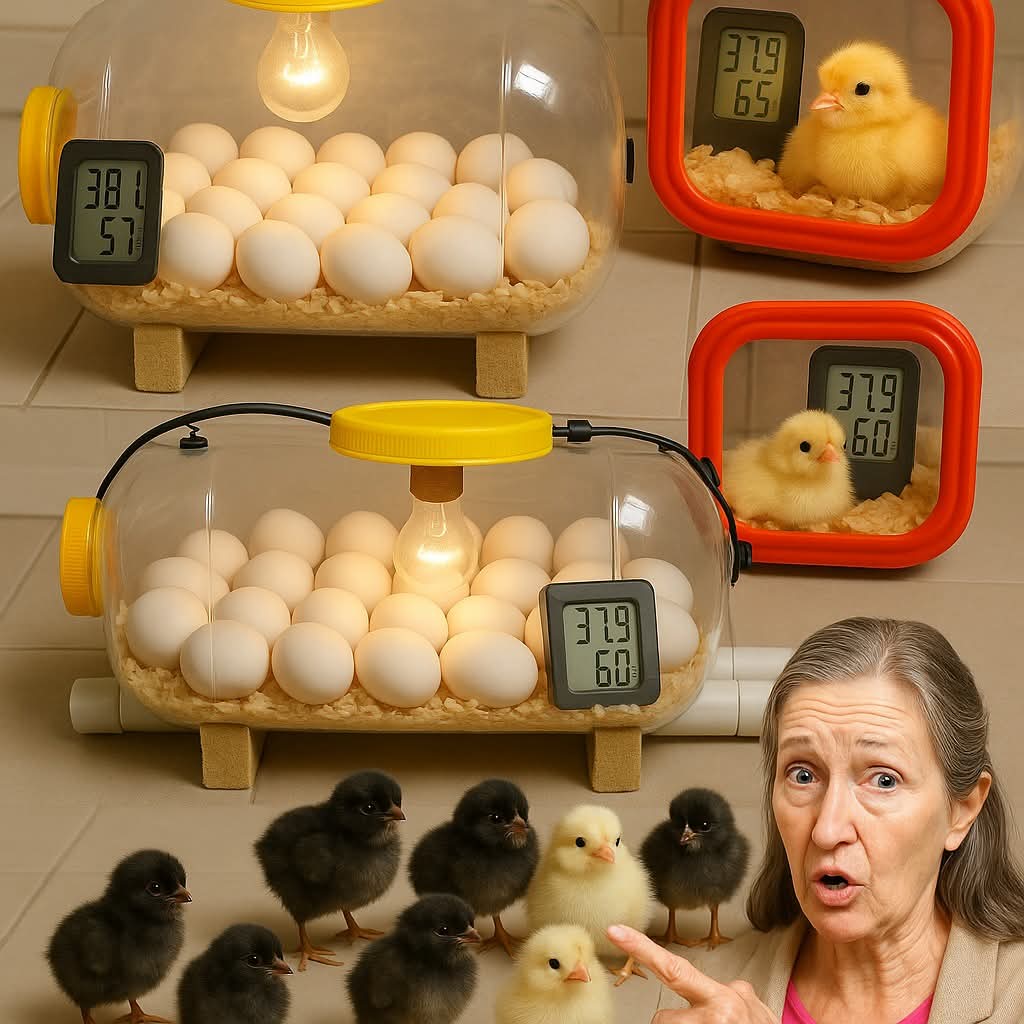
Constant: Maintain a steady temperature between 37.5°C and 38°C (99.5°F to 100.4°F) throughout the incubation period.
