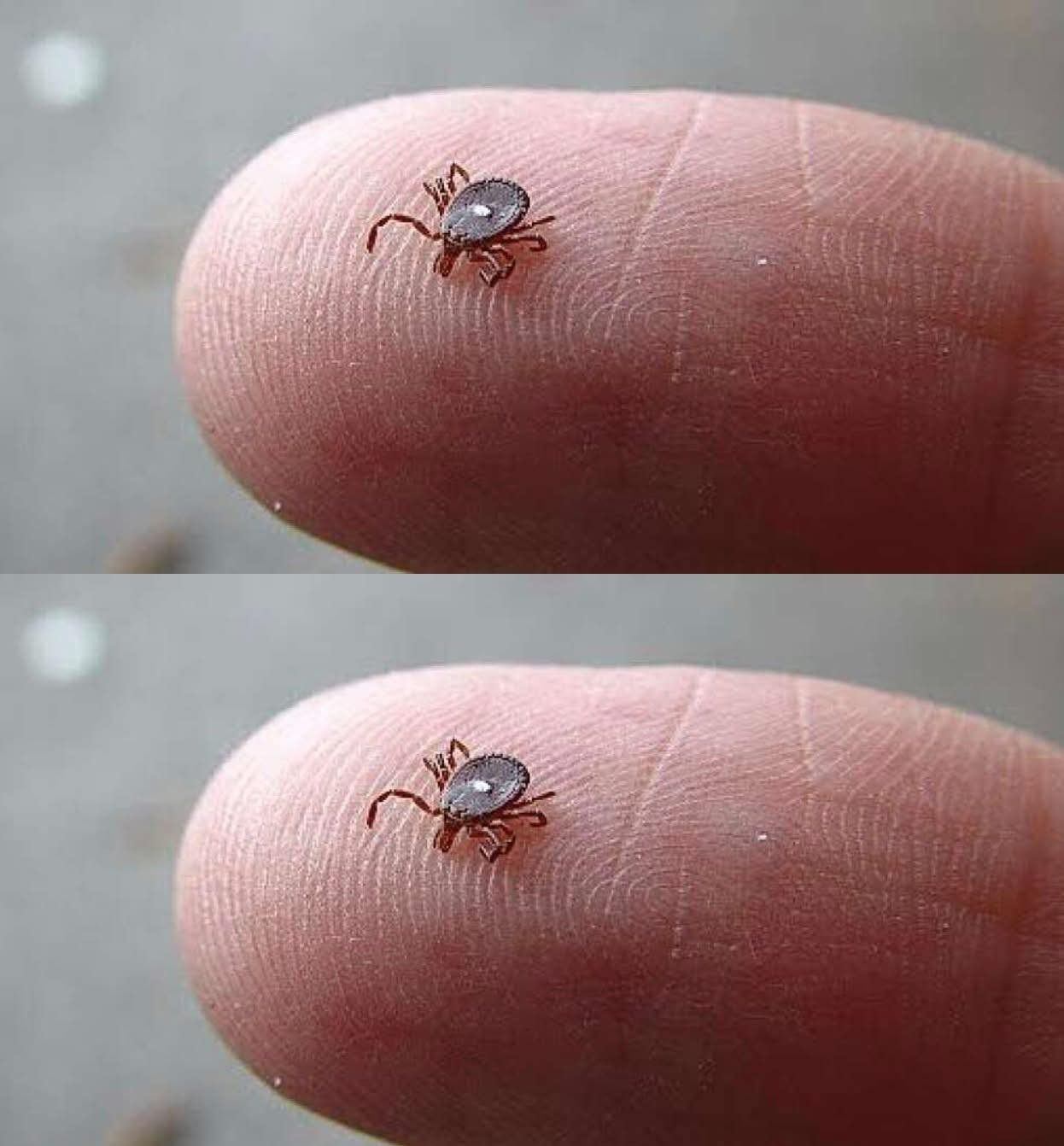
Finding a tick latched onto your skin is never pleasant—but discovering it’s a lone star tick can feel especially alarming. Named for the single white dot (like a “lone star”) on the back of adult females, this aggressive tick species is known not only for its bold behavior—it actively chases hosts—but also for transmitting several illnesses, including ehrlichiosis, STARI (Southern Tick-Associated Rash Illness), and even alpha-gal syndrome, the rare red meat allergy.
But here’s the reassuring truth: most lone star tick bites do NOT lead to disease, especially if you act quickly and correctly. With proper removal and monitoring, your risk drops significantly.
Below is your clear, doctor-reviewed action plan—so you can respond with confidence, not panic.
🔍 First: Confirm It’s a Lone Star Tick
Not all ticks are created equal. Correct identification helps guide next steps.
|
Life Stage
|
Appearance
|
|---|---|
|
Adult Female
|
Reddish-brown body with one distinct white spot on her back
|
|
Adult Male
|
Darker with white streaks or spots along the edges (no central dot)
|
|
Nymphs/Larvae
|
Tiny (poppy-seed size), brown, no white marking—but still capable of biting and transmitting disease
|
🌿 Habitat Clue: Lone star ticks thrive in the southeastern, eastern, and midwestern U.S., especially in wooded trails, tall grass, and brushy areas. Unlike deer ticks, they’re aggressive hunters—they’ll run toward movement and heat!
✅ Step 1: Remove the Tick Properly (Do This Right!)
Never use folklore methods like burning, petroleum jelly, or nail polish. These stress the tick, causing it to regurgitate saliva into your skin—increasing infection risk.
