One of the most important functions of water in the body is to regulate body temperature. During everyday activities, the body generates heat through the metabolism of nutrients. To prevent overheating, water dissipates this heat through sweating. When sweat evaporates from the skin, it has a cooling effect and helps maintain a stable body temperature. Without this mechanism, the body could not withstand extreme temperature changes, which could lead to serious problems such as hyperthermia.
Digestion and Nutrient Absorption
Water plays a fundamental role in the digestive process. Once food enters the body, water facilitates its breakdown. In the stomach, it helps dissolve nutrients so they can be more easily absorbed in the small intestine. It is also the main component of gastric juice and other digestive secretions that contribute to the chemical breakdown of food.
On the other hand, water is essential for transporting nutrients to the cells so the body can use them efficiently. Without adequate hydration, digestion slows down, which can lead to constipation and other gastrointestinal problems.
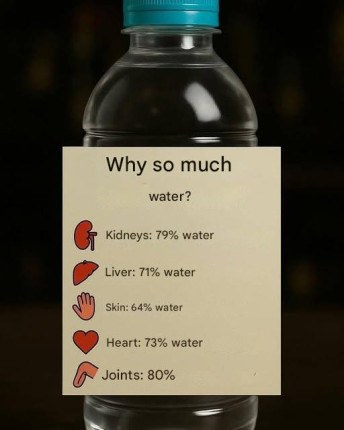
Blood Circulation and Waste Elimination Water is also an important component of the circulatory system. Blood, which carries oxygen and nutrients to all cells
in the body, is largely composed of water. Adequate hydration ensures optimal blood flow and adequate oxygenation to the organs. Water also facilitates the elimination of waste through urine, sweat, and feces. The kidneys rely on water to filter toxins and maintain electrolyte balance in the body.
In summary, water is a vital resource that we must consume in sufficient quantities to ensure the proper functioning of our bodies. Adequate hydration is key to overall health and well-being.