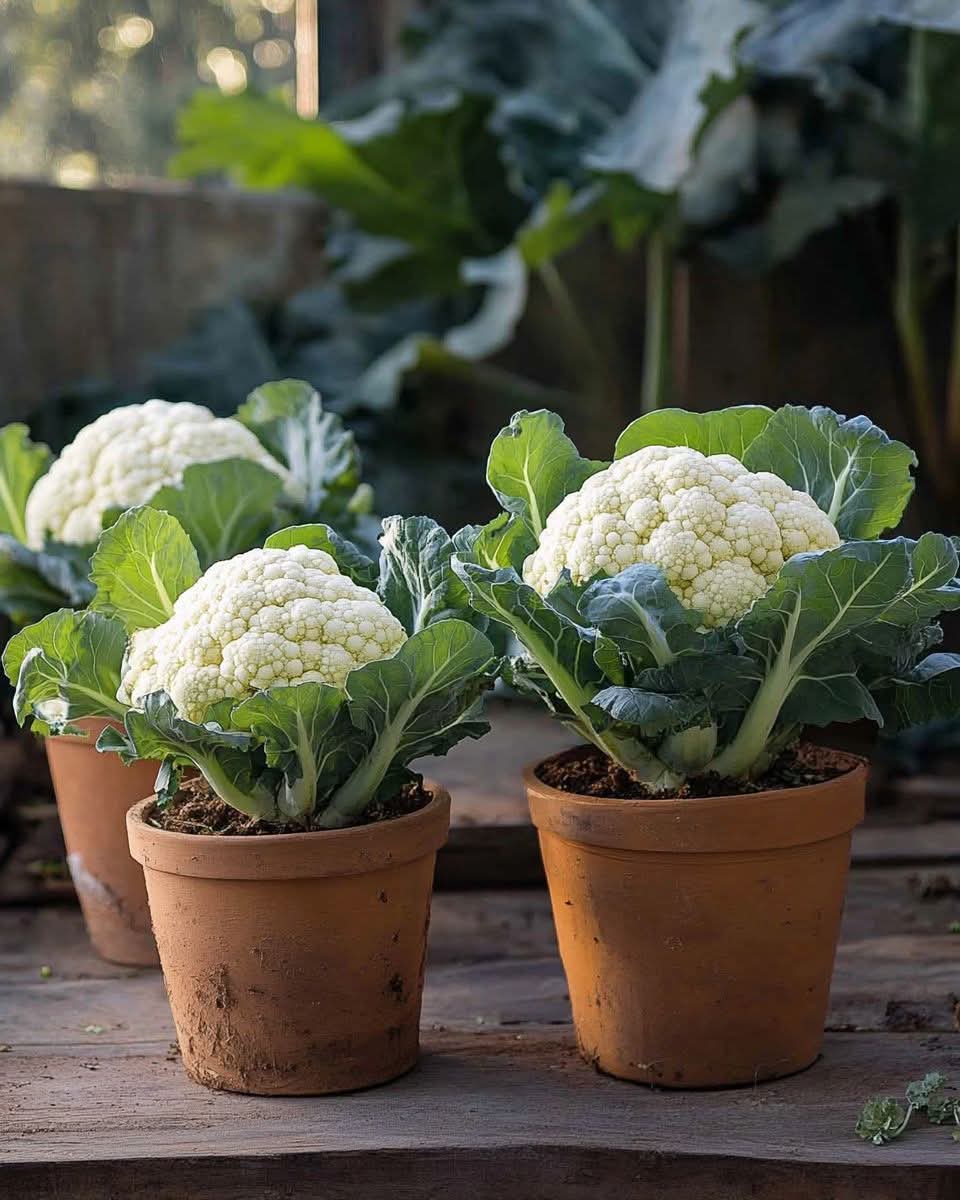
Cauliflower requires consistent moisture, so water the pot regularly, ensuring the soil remains evenly moist. Avoid letting the soil dry out completely between waterings. Fertilize every 4-6 weeks with a balanced, water-soluble fertilizer or a slow-release granular fertilizer. Pay attention to the nitrogen content, as too much can lead to excessive leaf growth at the expense of head development. Monitor the plant’s growth and adjust your care routine as needed.
Managing Pests and Diseases in Potted Cauliflower
Common pests affecting cauliflower include aphids, cabbage worms, and slugs. Regularly inspect your plants and remove any pests by hand or use insecticidal soap for severe infestations. To prevent diseases such as clubroot or downy mildew, ensure proper drainage and avoid overhead watering. Crop rotation and maintaining cleanliness around your pots can also reduce disease risk. If a plant becomes severely affected, remove it to prevent the spread of disease.
Harvesting the Largest Cauliflower from Your Pot
Harvest your cauliflower when the heads are firm, compact, and white. This typically occurs 70-100 days after planting, depending on the variety. Use a sharp knife to cut the head from the plant, leaving a few leaves attached to protect it. Harvesting promptly ensures the best flavor and texture. If you notice the heads beginning to separate or discolor, harvest immediately to prevent quality loss.
Common Mistakes to Avoid When Growing Cauliflower in Pots
Avoid common pitfalls such as choosing the wrong pot size, using poor-quality soil, or planting in unsuitable weather conditions. Overwatering or underwatering can lead to root problems, while insufficient sunlight can result in poor head formation. Be mindful of pest and disease management, and avoid overcrowding plants, which can lead to competition for resources. Learning from these mistakes will improve your success in growing large cauliflower.
Continued on next page  (page 3)