Add the sugar and continue beating for 3–4 minutes, until the mixture becomes pale and fluffy. This step incorporates air into the batter, contributing to the cake’s structure and fine crumb. Add the eggs one at a time, beating well after each addition.

This allows the eggs to emulsify properly with the butter and sugar. Scrape down the sides and bottom of the bowl after each egg to keep the batter uniform and prevent separation. In a separate bowl, whisk together the flour, baking powder, and salt.
Whisking evenly distributes the leavening and salt, preventing uneven texture. With the mixer on low speed, add the dry ingredients to the batter in three additions, alternating with the milk in two additions. Begin and end with the dry ingredients. Mix just until combined after each addition.
Overmixing at this stage can develop excess gluten and result in a tough cake. Stir in the vanilla extract last. Spoon the batter into the prepared Bundt pan, spreading it evenly. Gently tap the pan on the counter to release any trapped air pockets.
Place the pan in the centre of the oven and bake for 55–65 minutes. The cake is done when: A toothpick inserted into the thickest part comes out clean, or the top is golden brown. If the top begins to brown too quickly, loosely tent with foil during the last 10–15 minutes.
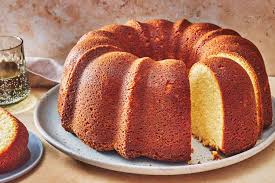
Remove the cake from the oven and let it cool in the pan for 10–15 minutes. This allows the structure to set. Carefully invert the cake onto a wire rack. Let it cool completely before slicing to ensure clean cuts and proper texture.
