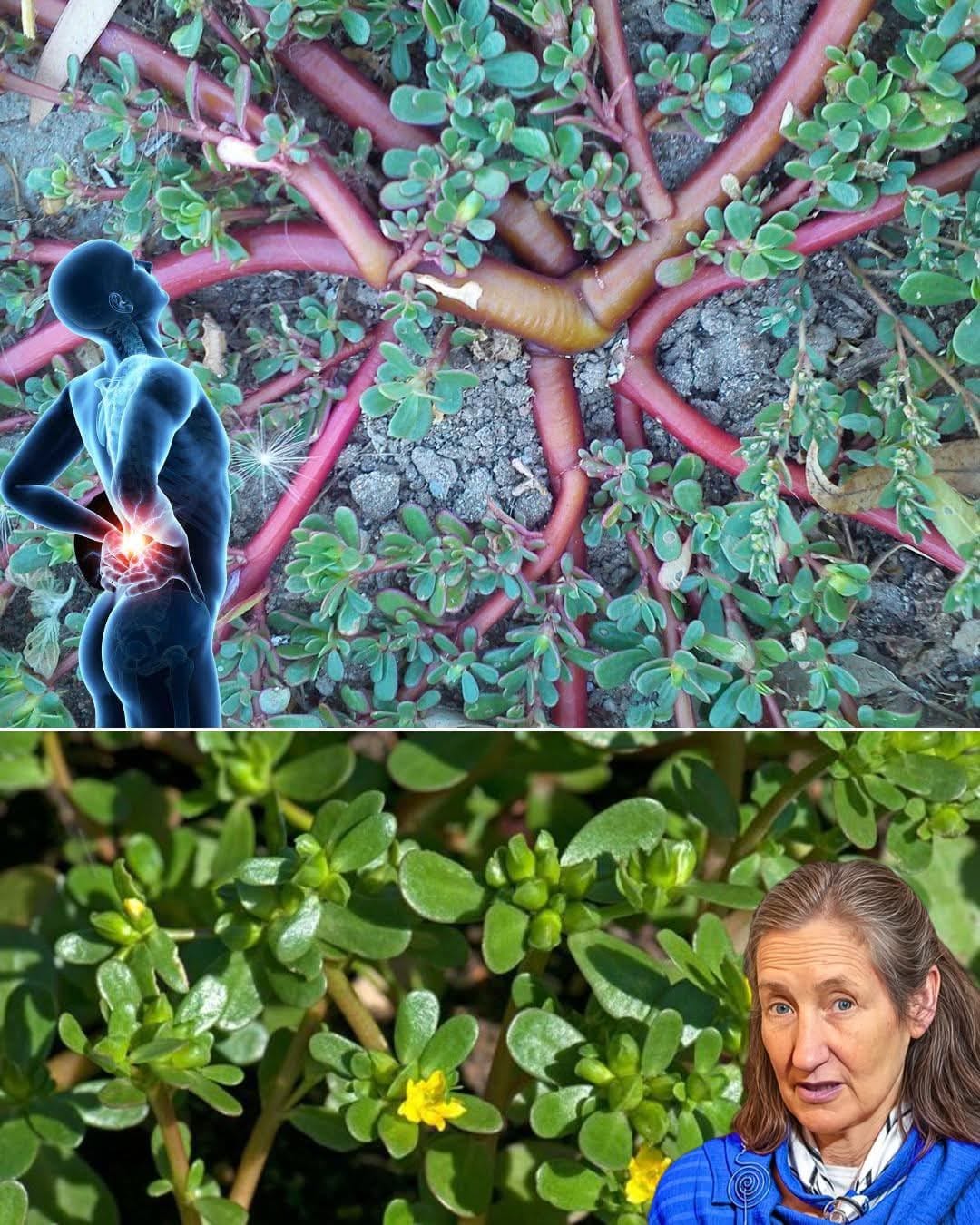
Once dismissed as a common garden weed, purslane, also known as Verdolaga, has undergone a remarkable transformation into a celebrated superfood. Its resilience and versatility have earned it a spot on farmer’s market stands and in the kitchens of top chefs, transforming this humble plant into a nutritional powerhouse that can improve both your health and your garden. Whether you’re a seasoned gardener or a culinary enthusiast, there are plenty of reasons why you should welcome purslane into your life.
The Rise of Purslane: From Weed to Superfood
Purslane, sometimes referred to as hogweed or pigweed, is a plant that once struggled with a negative reputation. However, its remarkable health benefits and culinary potential have led to a resurgence in popularity. Once considered an undesirable nuisance in many gardens, this hardy plant has now found a place of honor in the kitchens of forward-thinking chefs, health-conscious consumers, and even nutritional experts. Famous historical figures such as Mahatma Gandhi praised purslane for its versatility, and today it’s reclaiming its rightful place in our diets.
This remarkable plant is capable of thriving in even the harshest conditions, whether it’s sprouting through cracks in the sidewalk or flourishing in your garden. Dr. Artemis Simopoulos, the president of the Centre for Genetics, Nutrition, and Health, has called purslane a “miracle plant,” particularly after discovering its incredibly high levels of Omega-3 fatty acids—higher than any other green plant.
Purslane’s teardrop-shaped, succulent leaves are packed with essential nutrients, antioxidants, and vitamins. Its slightly tart, peppery flavor makes it a favorite among chefs, and it adds a zesty, refreshing twist to a variety of dishes. Chef Sergio Vitale, the owner of Aldo’s Ristorante Italiano, recalls growing up with purslane in southern Italy, where it was cherished not only for its flavor but also its culinary adaptability.
