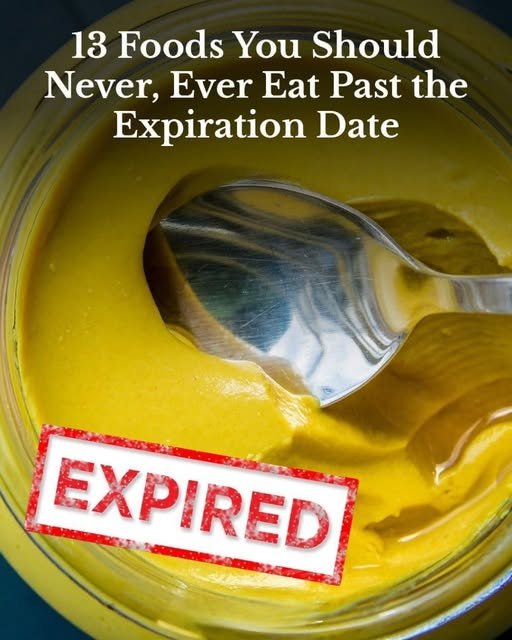
Double-Check: Is It Really an Expiration Date?
Not every date printed on food packaging is an actual expiration date. According to food safety experts, here are the most common labels you’ll see—and what they really mean:
Sell-by date: The last day the store should display the product
Use-by date: The manufacturer’s estimate of peak quality
Best if used by date: Best flavor and texture, not safety
Closed or coded dates: Manufacturer tracking codes
These dates usually do not indicate food safety, and the FDA allows most foods to be sold past them (baby formula is the exception). Manufacturers are also not legally required to include date labels on most foods.
Why Expiration Dates Still Matter
Why Expiration Dates Still Matter
Smell and appearance aren’t always reliable indicators of food safety. Bacteria that cause foodborne illness don’t always change how food looks or smells. For certain high-risk foods, eating them past their recommended dates can significantly increase your chances of getting sick.
Below are 13 foods you should never eat past their expiration date.
1. Egg Substitutes
Whole eggs last longer than liquid egg substitutes. Once opened, egg substitutes should be used within 3 to 5 days. Unopened cartons last about 10 days. When in doubt, toss them.
2. Soft Cheeses
Soft cheeses like ricotta, cream cheese, feta, and goat cheese spoil quickly and are prone to mold and bacterial growth. Discard them once opened for about a week or immediately if past the expiration date.
3. Jarred Condiments
7. Ground Meat
Ground meat should be eaten or frozen within 2 days of purchase. Grinding spreads bacteria throughout the meat, making it more dangerous than whole cuts.
8. Deli Meat
Freshly sliced deli meats last 3–5 days after purchase. Prepackaged versions last longer unopened, but once opened, the same rule applies. Deli meat is especially susceptible to Listeria, which can grow even in cold temperatures.
9. Fish
Fresh fish should be eaten within 1–2 days of purchase. If not, freeze it immediately using moisture-proof wrapping.
10. Fresh Berries
Raspberries & strawberries: ~3 days
Blueberries: a few days longer
Spoiled berries can harbor bacteria such as Cyclospora, which causes digestive illness. Freeze extras promptly.
11. Leafy Greens
